تتطلب المطابخ الحديثة أكثر من مجرد المظهر الجميل. أصحاب المنازل, المصممين, ويعطي مصنعو الخزانات الآن الأولوية للمتانة, وظيفية, وأنظمة تخزين أنيقة. تؤثر المواد التي تختارها لملحقات تخزين المطبخ بشكل مباشر على العمر الافتراضي, أداء التحميل, جماليات, وتكاليف الصيانة. هناك مادتان تهيمنان على السوق: الفولاذ المقاوم للصدأ والألومنيوم. ولكن أيهما يناسب مطبخك بشكل أفضل? يقارن هذا الدليل الشامل ملحقات تخزين المطبخ المصنوعة من الفولاذ المقاوم للصدأ والألمنيوم من حيث المتانة, مقاومة التآكل, مظهر, وزن, صيانة, والتكلفة. سوف تكتشف الاختيار الصحيح للسلال القابلة للسحب, أنظمة المخزن, منظمي الزاوية, وأجهزة مجلس الوزراء.
ما هي ملحقات تخزين المطبخ المصنوعة من الفولاذ المقاوم للصدأ?
التعريف وتركيب المواد
يشير الفولاذ المقاوم للصدأ إلى سبيكة فولاذية تحتوي على الأقل 10.5% الكروم. يشكل هذا الكروم طبقة سلبية تمنع الصدأ. لأجهزة المطبخ, عادة ما يستخدم المصنعون ثلاث درجات: SUS201, SUS304, و SUS316. يوفر SUS201 مقاومة أقل للتآكل ويناسب المنتجات ذات الميزانية المحدودة. يحتوي على SUS304 18% الكروم و 8% النيكل, توفير حماية وقوة ممتازة ضد الصدأ. تستخدم معظم ملحقات المطبخ المميزة SUS304. يضيف SUS316 الموليبدينوم للبيئات القاسية, لكنها مبالغة بالنسبة للمطابخ السكنية. لماذا يفوز SUS304? يقاوم الأطعمة الحمضية, رُطُوبَة, وارتداء يومي دون تلطيخ أو تآكل.
إكسسوارات المطبخ الشائعة المصنوعة من الفولاذ المقاوم للصدأ
ستجد الفولاذ المقاوم للصدأ في العديد من منتجات تخزين المطبخ:
- ستجد الفولاذ المقاوم للصدأ في العديد من منتجات تخزين المطبخ:
- رفوف الأطباق وحصائر التجفيف
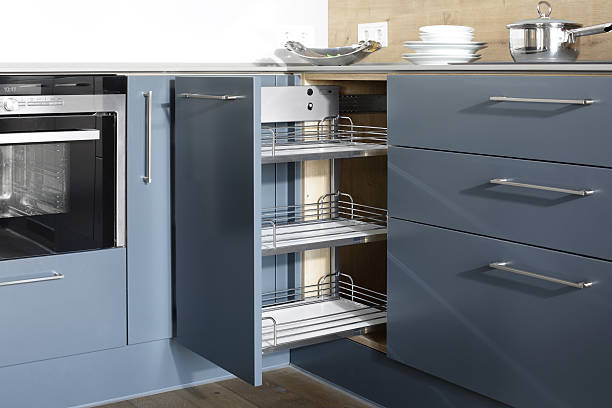
- منظمات مخزن مع أرفف منزلقة
- أنظمة الزاوية السحرية للخزائن العمياء
- سلال تخزين تحت المغسلة
- فواصل الأدراج وصواني أدوات المائدة
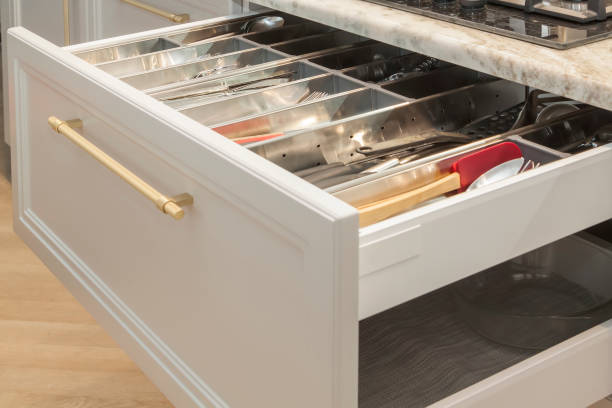
فواصل الأدراج وصواني أدوات المائدة
يقدم الفولاذ المقاوم للصدأ خمس فوائد رئيسية:
- مقاومة ممتازة للتآكل - تتعامل مع الرطوبة, بخار, والانسكابات دون الصدأ.
- قوة ومتانة عالية - يدعم المقالي الثقيلة من الحديد الزهر, مجموعات وعاء كبيرة, وعناصر المؤن السائبة.
- مظهر مميز - أنيق, مظهر تجاري يرفع مستوى أي مطبخ.
- صحي وسهل التنظيف - سطح غير مسامي يطرد البكتيريا وينظف على الفور.
- مثالي للبيئات الرطبة - مثالي للمناطق الموجودة تحت الحوض أو المطابخ ذات التهوية الضعيفة.
ما هي ملحقات تخزين المطبخ المصنوعة من الألومنيوم؟?
التعريف والخصائص
الألومنيوم خفيف الوزن, المعادن غير الحديدية. لتخزين المطبخ, يستخدم المصنعون سبائك الألومنيوم (على سبيل المثال, 6063 أو 6061) التي تجمع بين القوة والقابلية للتشكيل. يتأكسد الألومنيوم الخام بشكل طبيعي, لكن معظم المنتجات تتلقى معالجات سطحية لتحسين المتانة. تشمل التشطيبات الشائعة الألومنيوم المؤكسد (تصلب الكهروكيميائية), طلاء مسحوق (مقاومة اللون والخدش), والتشطيبات السوداء غير اللامعة للتصميمات الحديثة. إن كثافة الألومنيوم المنخفضة - حوالي ثلث الفولاذ - تجعل من السهل التعامل معه وتركيبه.
منتجات تخزين المطبخ المصنوعة من الألومنيوم الشائعة
الألومنيوم يعمل بشكل جيد ل:
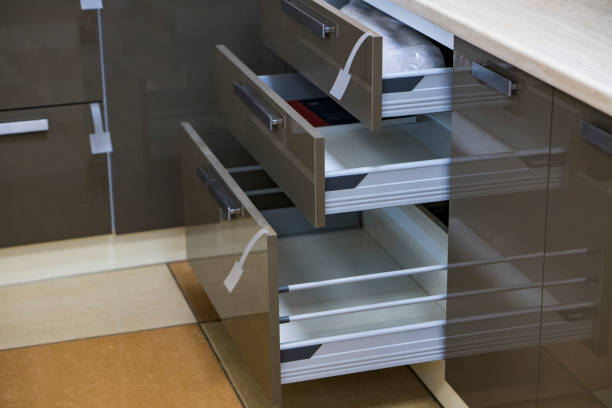
- منظمات الأدراج الرفيعة (أدوات المائدة, أواني, التوابل)
- سلال قابلة للسحب خفيفة الوزن للخزائن العلوية
- شرائط سكين مغناطيسية مثبتة على الحائط وأنظمة السكك الحديدية
- ملحقات مخزن الحد الأدنى (يمكن الرفوف, منظمو الجرة)
المزايا الرئيسية للألمنيوم
الألومنيوم يجلب قوة مميزة لتخزين المطبخ:
- هيكل خفيف الوزن - يقلل الضغط على مفصلات وشرائح الخزانة.
- جماليات حديثة وبسيطة - خطوط نظيفة وتشطيبات غير لامعة تناسب المطابخ المعاصرة.
- سطح مقاوم للصدأ – الألومنيوم لا يصدأ, على الرغم من أنه قد يتأكسد (طلاء مسحوق أبيض) بدون علاج.
- تركيب أسهل - يمكن لشخص واحد تركيب أنظمة الألومنيوم دون دعم إضافي.
- فعالة من حيث التكلفة - سعر أقل بشكل عام من الفولاذ المقاوم للصدأ, خاصة بالنسبة للمنظمين الصغار.
الفولاذ المقاوم للصدأ مقابل الألومنيوم: الاختلافات الرئيسية
المتانة والقوة
- الفولاذ المقاوم للصدأ
الفولاذ المقاوم للصدأ يتفوق تحت الأحمال الثقيلة. يمكن للسلة القابلة للسحب SUS304 جيدة الصنع استيعاب 30-50 كجم من أواني الطهي دون الانحناء أو التواء. المادة تقاوم الخدوش, الخدوش, والتعب الهيكلي على مدى سنوات من الاستخدام اليومي. لأنظمة مخزن تخزين أكياس الأرز الكبيرة, زجاجات الزيت, أو الخلاطات الثقيلة, يوفر الفولاذ المقاوم للصدأ موثوقية لا مثيل لها.
- الألومنيوم
يوفر الألومنيوم القوة الكافية للمهام الخفيفة. منظم درج الألمنيوم النموذجي يحمل 10-15 كجم. لكن, تحت الأحمال الثقيلة المستمرة, قد ينثني الألومنيوم أو يطور انحناءات دائمة. يمكن للتأثيرات الصلبة أن تؤدي إلى تآكل أسطح الألمنيوم الأكثر ليونة. اختر الألومنيوم للمواد خفيفة الوزن مثل التوابل, أدوات المائدة, والجرار الصغيرة - ليست مخصصة للحديد الزهر أو الخزف الحجري الثقيل.
مقارنة الوزن
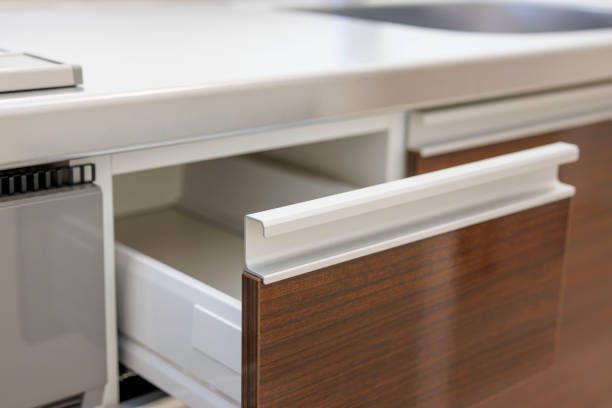
يزن الألومنيوم تقريبًا 2.7 جم/سم3, بينما يزن الفولاذ المقاوم للصدأ حوالي 7.9 جم/سم3. لسلة سحب نموذجية مقاس 600 مم, يوفر الألومنيوم 2-3 كجم مقارنة بالفولاذ المقاوم للصدأ. هذا الاختلاف مهم بالنسبة للخزائن العلوية أو وحدات المؤن الطويلة حيث يضغط الوزن الزائد على الشرائح ومسامير التثبيت. لكن, العديد من المستخدمين يفضلون الفولاذ المقاوم للصدأ الصلب, شعور كبير عند سحب سلة ثقيلة الوزن.
الصيانة والتنظيف
الفولاذ المقاوم للصدأ يتطلب الحد الأدنى من الرعاية. يمكنك تنظيفه بالماء الدافئ والصابون أو منظف الفولاذ المقاوم للصدأ. السلس, سطح غير مسامي يطلق الشحوم وبقايا الطعام بسهولة. للتنظيف العميق, يمكنك أيضًا وضع سلال صغيرة من الفولاذ المقاوم للصدأ في غسالة الأطباق.
يتطلب الألومنيوم معالجة ألطف. المنظفات القلوية القاسية (مثل منظف الفرن أو المبيض) يمكن أن يتغير لونه أو يحفر الألومنيوم. غالبًا ما تسبب منظفات غسالة الأطباق الحفر بسبب ارتفاع درجة الحموضة والحرارة. يجب عليك غسل إكسسوارات الألمنيوم يدويًا باستخدام صابون الأطباق المعتدل. بالإضافة إلى ذلك, الأقمشة الناعمة تمنع خدش السطح الرقيق.
مقارنة التكلفة
تكاليف الألومنيوم عموما 20-40% أقل من الفولاذ المقاوم للصدأ لعناصر تخزين المطبخ المماثلة. قد يتم بيع سلة أساسية قابلة للسحب من الألومنيوم 30-50, أثناء تشغيل نسخة الفولاذ المقاوم للصدأ 60-100. لكن, النظر في قيمة طويلة الأجل. الفولاذ المقاوم للصدأ يدوم 10-20+ سنوات دون تدهور,بينما قد يتطلب الألومنيوم الاستبدال بعد ذلك 5-8 سنوات من الاستخدام الكثيف بسبب الخدوش, الخدوش, أو إنهاء ارتداء. للمطابخ ذات حركة المرور العالية, التكلفة الأولية المرتفعة للفولاذ المقاوم للصدأ تؤتي ثمارها على طول العمر.
ما هي المواد الأفضل لتطبيقات تخزين المطبخ المختلفة؟?
أنظمة السحب للخارج من الزاوية العمياء
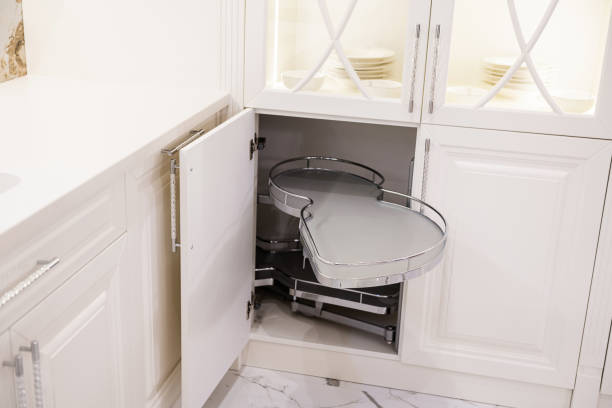
وحدات الزاوية العمياء (المنعطفات السحرية أو أنظمة لومان) تجربة قوى الدوران الثقيلة والتحميل المتكرر. أداء الفولاذ المقاوم للصدأ أفضل هنا. صلابته تمنع الالتواء أو الترهل, حتى مع وجود كميات كاملة من القدور والمقالي. توجد أنظمة ركن الألمنيوم, لكنها تناسب أخف وزنا, مطابخ للاستخدام العرضي. للطبخ العائلي اليومي, اختر الفولاذ المقاوم للصدأ.
سلال قابلة للسحب للخزانة الأساسية
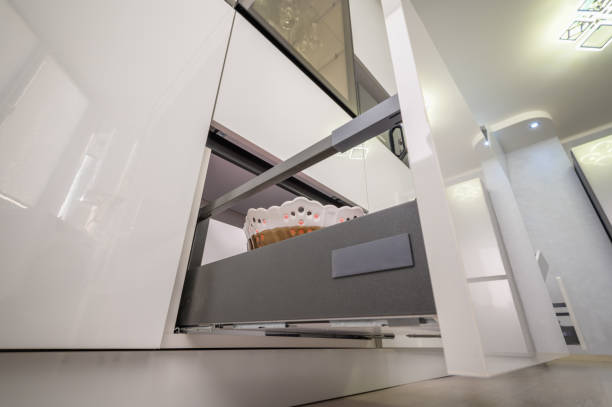
تحتوي الخزانات الأساسية على أثقل العناصر لديك: أفران هولندية, مقالي من الحديد الزهر, أوعية الخلط, وجرار التوابل. سلال قابلة للسحب من الفولاذ المقاوم للصدأ تتعامل مع هذه الأوزان دون أن تنثني. يعمل الألمنيوم فقط إذا قمت بتخزين العناصر الخفيفة مثل الحاويات البلاستيكية, يلتف, أو أدوات صغيرة. لمعظم المنازل, الفولاذ المقاوم للصدأ هو الخيار الأكثر ذكاءً.
تخزين خزانة الحائط
تستفيد الخزانات العلوية من وزن الألمنيوم المنخفض. يمكن للسلال الثقيلة المصنوعة من الفولاذ المقاوم للصدأ أن تجهد صناديق الخزانات ومثبتات الحائط بمرور الوقت. تعمل الأرفف القابلة للسحب المصنوعة من الألومنيوم أو منظمات الأدراج الرفيعة على تقليل المخاطر مع توفير سهولة الوصول إلى التوابل, لوازم القهوة, أو السلع المعلبة. تتناسب اللمسات النهائية غير اللامعة الحديثة من الألومنيوم أيضًا مع تصميمات الخزانات العلوية المعاصرة.
وحدات مخزن طويل القامة
لمقصورة المؤن أو للارتفاع الكامل, تقييم أسلوب التخزين الخاص بك. يناسب الفولاذ المقاوم للصدأ شديد التحمل المطابخ التجارية أو الأسر التي تقوم بتخزين أشياء كبيرة الحجم (25 كيلو جرام أكياس طحين, علب زيت متعددة). يعمل الألمنيوم في المخازن السكنية البسيطة حيث تقوم بتخزين البقالة الخفيفة, الوجبات الخفيفة, والأجهزة الصغيرة. النظر في خلط كليهما: الفولاذ المقاوم للصدأ للرفوف السفلية, الألومنيوم للأقسام العلوية.
الفولاذ المقاوم للصدأ مقابل الألومنيوم: أيهما يدوم لفترة أطول?
مقارنة العمر
جودة الفولاذ المقاوم للصدأ (SUS304, ملحومة بشكل صحيح) يدوم 10-20 سنة أو أكثر. العديد من ملحقات المطبخ المصنوعة من الفولاذ المقاوم للصدأ تدوم أكثر من الخزانات التي يتم تركيبها فيها. الألومنيوم, حتى مع أنودة, يستمر عادةً من 5 إلى 10 سنوات في ظل الظروف المنزلية العادية. التعرض المتكرر للرطوبة, ملح, أو الأطعمة الحمضية تقصر من عمر الألومنيوم.
العوامل التي تؤثر على طول العمر
- رطوبة المطبخ: تؤدي التهوية السيئة إلى تسريع عملية أكسدة الألومنيوم.
- التعرض للملح - الطبخ بالقرب من المحيط أو استخدام المنظفات الملحية يضر بالألمنيوم غير المعالج.
- تكرار الاستخدام – يؤدي الانزلاق والتحميل اليومي إلى إجهاد الألمنيوم أكثر من الفولاذ.
- جودة الشرائح والتجهيزات – يمكن أن تفشل الشرائح الرخيصة بغض النظر عن مادة السلة.
- جودة المعالجة السطحية – يدوم الألمنيوم المؤكسد أو المطلي بالمسحوق لفترة أطول من الألمنيوم العاري.
كيفية اختيار ملحقات تخزين المطبخ المناسبة
فكر في نمط مطبخك
مطابخ فاخرة بأجهزة من الفولاذ المقاوم للصدأ, النطاقات المهنية, وأسطح العمل الحجرية تبدو أفضل مع تخزين الفولاذ المقاوم للصدأ المطابق. إن تماسك المعدن الجمالي يشير إلى الجودة. المطابخ البسيطة، خاصة تلك ذات التشطيبات غير اللامعة, خزائن بدون مقبض, أو الخشب الطبيعي - يمكن أن يدمج المظهر الرقيق للألمنيوم. تمتزج خيارات الألومنيوم باللون الأسود أو الأبيض غير اللامع مع الخلفية.
ضع في اعتبارك متطلبات وزن التخزين
قم بجرد ما ستقوم بتخزينه. تجهيزات المطابخ الثقيلة والسلع المؤن (علب, الجرار, زجاجات) الطلب الفولاذ المقاوم للصدأ. تخزين الضوء اليومي (أدوات المائدة, يلتف, التوابل, أوراق الخبز) يسمح للألمنيوم. إذا كان في أسرتك أطفال أو طبخ متكرر, بالغ في تقدير احتياجاتك من الوزن، فالفولاذ المقاوم للصدأ يوفر هامش أمان.
ضع في اعتبارك الميزانية وعائد الاستثمار
حساب التكلفة الإجمالية للملكية, وليس سعر الشراء فقط. إن سلة الألمنيوم الرخيصة التي تفشل خلال ثلاث سنوات تكلف أكثر من سلة الفولاذ المقاوم للصدأ التي تدوم خمسة عشر عامًا. لتأجير العقارات أو بيوت العطلات ذات الاستخدام الخفيف, الألومنيوم منطقي. لإقامتك الأساسية, الاستثمار في الفولاذ المقاوم للصدأ.
اختر موردًا موثوقًا به
- شهادة المواد (SUS304 مختوم أو تم اختباره)
- لحام متسق وحواف ناعمة
- معايير اختبار التآكل (على سبيل المثال, 48-اختبار رش الملح لمدة ساعة)
- دعم OEM/ODM للموزعين والعلامات التجارية
لماذا يفضل المصنعون المحترفون الفولاذ المقاوم للصدأ الفاخر
استقرار هيكلي أفضل
يسمح الفولاذ المقاوم للصدأ بلحام أقوى وسلامة الإطار. يمكن للمصنعين إنشاء أشكال معقدة (سلال الزاوية, سحب طبقة مزدوجة) دون التضحية بالصلابة. إن نقطة الانصهار المنخفضة للألمنيوم والطبيعة الأكثر ليونة تحد من إمكانيات التصميم للتطبيقات الثقيلة.
تحسين رضا العملاء
يلاحظ المستخدمون النهائيون الجودة. سلة الفولاذ المقاوم للصدأ تبدو كبيرة, الشرائح بسلاسة, ويبقى مستقيما لسنوات. نادراً ما يشتكي العملاء من الصدأ أو الانحناء. وهذا يُترجم إلى عوائد أقل ومراجعات أعلى للعلامات التجارية والموزعين للخزائن.
تحديد المواقع العليا في السوق
مشاريع المطبخ الفاخرة وخطوط الخزانات المتميزة تحدد الفولاذ المقاوم للصدأ. إن استخدام الألومنيوم في هذه الأسواق من شأنه أن يقوض القيمة المتصورة. للمصنعين الذين يستهدفون الشريحة الراقية, الفولاذ المقاوم للصدأ غير قابل للتفاوض.
خاتمة
يعتمد الاختيار بين ملحقات تخزين المطبخ المصنوعة من الفولاذ المقاوم للصدأ والألومنيوم على أولوياتك.
يوفر الفولاذ المقاوم للصدأ متانة فائقة, قوة, وتحديد المواقع المتميزة. يتفوق في البيئات ذات الرطوبة العالية, تطبيقات الحمل الثقيل, وتصاميم المطابخ الفاخرة. تؤتي التكلفة الأولية المرتفعة ثمارها على مدى عمر يتراوح بين 10 إلى 20 عامًا.
يوفر الألومنيوم بناء خفيف الوزن, جماليات الحد الأدنى الحديثة, والتركيب المرن. يناسب الخزانات العلوية, تخزين خفيف الاستخدام, والمشاريع ذات الميزانية الواعية. لكن, قد لا يتحمل التحميل الثقيل اليومي أو التنظيف القاسي.
كلتا المادتين لهما تطبيقات مثالية. قم بتقييم سيناريوهات استخدام مطبخك قبل اتخاذ القرار. لأواني الطبخ الثقيلة, أنظمة الزاوية, والتخزين تحت المغسلة, الفولاذ المقاوم للصدأ يفوز. لمنظمي الخزانة العلوية وإدراج الأدراج الرفيعة, الألومنيوم يؤدي بشكل مثير للإعجاب.
إذا كنت بحاجة إلى إرشادات احترافية أو أجهزة تخزين مخصصة للمطبخ, اتصال BeneHardware. نحن نساعد الموزعين, العلامات التجارية للخزانة, ويقوم تجار الجملة باختيار وتصنيع الحلول المناسبة لأسواقهم.