Moderne Küchen erfordern mehr als nur gutes Aussehen. Hausbesitzer, Designer, und Schrankhersteller legen jetzt Wert auf Langlebigkeit, funktionell, und stilvolle Aufbewahrungssysteme. Das Material, das Sie für Küchenaufbewahrungszubehör wählen, wirkt sich direkt auf die Lebensdauer aus, Ladeleistung, Ästhetik, und Wartungskosten. Zwei Materialien dominieren den Markt: Edelstahl und Aluminium. Aber welches passt am besten zu Ihrer Küche?? Dieser umfassende Leitfaden vergleicht Küchenaufbewahrungszubehör aus Edelstahl und Aluminium im Hinblick auf die Haltbarkeit, Korrosionsbeständigkeit, Aussehen, Gewicht, Wartung, und Kosten. Entdecken Sie die richtige Wahl für ausziehbare Körbe, Vorratssysteme, Eckorganisatoren, und Schrankbeschläge.
Was sind Küchenaufbewahrungszubehör aus Edelstahl??
Definition und Materialzusammensetzung
Unter Edelstahl versteht man eine Stahllegierung, die mindestens enthält 10.5% Chrom. Dieses Chrom bildet eine Passivschicht, die Rost verhindert. Für Küchengeräte, Hersteller verwenden üblicherweise drei Qualitäten: SUS201, SUS304, und SUS316. SUS201 bietet eine geringere Korrosionsbeständigkeit und eignet sich für preisgünstige Produkte. SUS304 enthält 18% Chrom und 8% Nickel, Bietet hervorragenden Rostschutz und Festigkeit. Die meisten Premium-Küchenzubehörteile verwenden SUS304. SUS316 fügt Molybdän für extreme Umgebungen hinzu, aber für Wohnküchen ist es zu viel des Guten. Warum gewinnt SUS304?? Es widersteht sauren Lebensmitteln, Feuchtigkeit, und tägliches Tragen ohne Flecken oder Korrosion.
Gängige Küchenaccessoires aus Edelstahl
In vielen Aufbewahrungsprodukten für die Küche finden Sie Edelstahl:
- In vielen Aufbewahrungsprodukten für die Küche finden Sie Edelstahl:
- Geschirrkörbe und Trockenmatten
- Speisekammer-Organizer mit verschiebbaren Regalen
- Magische Ecksysteme für Jalousienschränke
- Aufbewahrungskörbe unter der Spüle
- Schubladenteiler und Besteckkästen
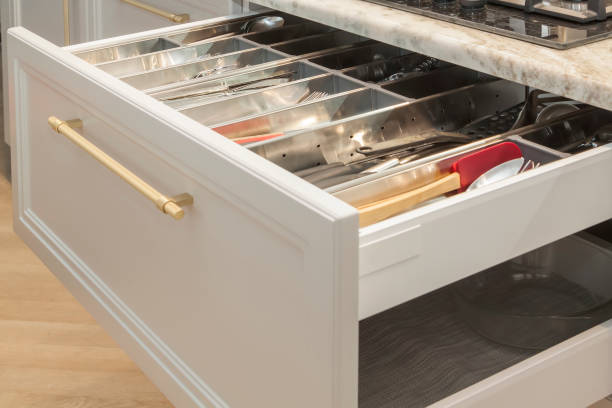
Schubladenteiler und Besteckkästen
Edelstahl bietet fünf wesentliche Vorteile:
- Hervorragende Korrosionsbeständigkeit – Hält Feuchtigkeit stand, Dampf, und verschüttet, ohne zu rosten.
- Hohe Festigkeit und Haltbarkeit – Unterstützt schwere Gusseisenpfannen, große Topfsets, und große Vorratsartikel.
- Erstklassiges Erscheinungsbild – ein elegantes, Der gewerbliche Look wertet jede Küche auf.
- Hygienisch und leicht zu reinigen – Die porenfreie Oberfläche weist Bakterien ab und lässt sich sofort reinigen.
- Ideal für feuchte Umgebungen – Perfekt für Bereiche unter der Spüle oder Küchen mit schlechter Belüftung.
Was sind Küchenaufbewahrungszubehör aus Aluminium??
Definition und Eigenschaften
Aluminium ist ein Leichtgewicht, Nichteisenmetall. Zur Aufbewahrung in der Küche, Hersteller verwenden Aluminiumlegierungen (Z.B., 6063 oder 6061) die Stärke mit Formbarkeit verbinden. Rohes Aluminium oxidiert auf natürliche Weise, Die meisten Produkte erhalten jedoch Oberflächenbehandlungen, um die Haltbarkeit zu verbessern. Zu den gängigen Ausführungen gehört eloxiertes Aluminium (Elektrochemisches Härten), Pulverbeschichtung (Farb- und Kratzfestigkeit), und mattschwarze Oberflächen für moderne Designs. Die geringe Dichte von Aluminium – etwa ein Drittel der von Stahl – erleichtert die Handhabung und Installation.
Gängige Aufbewahrungsprodukte für die Küche aus Aluminium
Aluminium eignet sich gut für:
- Schlanke Schubladenorganisatoren (Besteck, Utensilien, Gewürze)
- Leichte Ausziehkörbe für Oberschränke
- Wandmontierte magnetische Messerleisten und Schienensysteme
- Minimalistisches Speisekammerzubehör (Dosenregale, Glasorganisatoren)
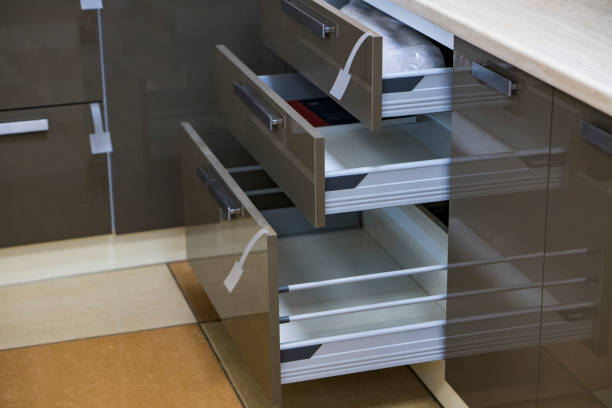
Hauptvorteile von Aluminium
Aluminium verleiht der Küchenaufbewahrung besondere Stärken:
- Leichte Konstruktion – Reduziert die Belastung der Schrankscharniere und -schienen.
- Moderne und minimalistische Ästhetik – Klare Linien und matte Oberflächen passen zu modernen Küchen.
- Rostbeständige Oberfläche – Aluminium rostet nicht, obwohl es oxidieren kann (weiße pulverförmige Beschichtung) ohne Behandlung.
- Einfachere Installation – Eine Person kann Aluminiumsysteme ohne zusätzliche Unterstützung montieren.
- Kostengünstig – Im Allgemeinen günstiger als Edelstahl, speziell für kleine Veranstalter.
Edelstahl vs. Aluminium: Hauptunterschiede
Haltbarkeit und Stärke
- Edelstahl
Edelstahl zeichnet sich durch hohe Belastungen aus. Ein gut gefertigter ausziehbarer Korb aus SUS304 kann 30–50 kg Kochgeschirr aufnehmen, ohne sich zu verbiegen oder zu verziehen. Das Material ist resistent gegen Dellen, Kratzer, und strukturelle Ermüdung im Laufe der Jahre des täglichen Gebrauchs. Für Vorratssysteme zur Aufbewahrung großer Reisbeutel, Ölflaschen, oder schwere Mixer, Edelstahl bietet unübertroffene Zuverlässigkeit.
- Aluminium
Aluminium bietet ausreichend Festigkeit für leichtere Aufgaben. Ein typischer Schubladenorganizer aus Aluminium trägt 10–15 kg. Jedoch, unter anhaltend starker Belastung, Aluminium kann sich verbiegen oder bleibende Biegungen entwickeln. Harte Stöße können weichere Aluminiumoberflächen beschädigen. Wählen Sie Aluminium für leichte Artikel wie Gewürze, Besteck, und kleine Gläser – nicht für Gusseisen oder schweres Steingut.
Gewichtsvergleich
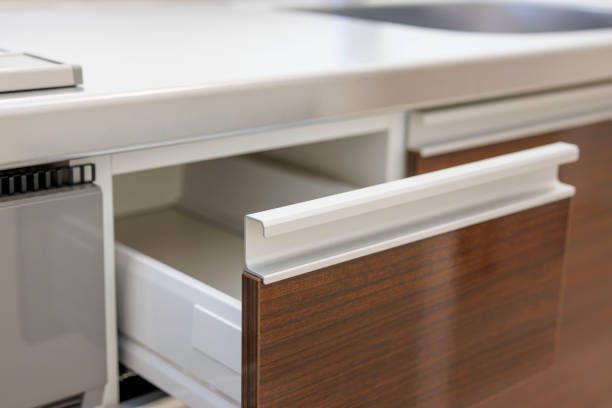
Aluminium wiegt ca 2.7 g/cm³, während Edelstahl etwa wiegt 7.9 g/cm³. Für einen typischen 600-mm-Auszugskorb, Aluminium spart 2–3 kg im Vergleich zu Edelstahl. Dieser Unterschied ist bei Oberschränken oder hohen Vorratsschränken von Bedeutung, bei denen übermäßiges Gewicht die Schienen und Befestigungsschrauben belastet. Jedoch, Viele Anwender bevorzugen den massiven Edelstahl, spürbares Gefühl beim Herausziehen eines schwer beladenen Korbes.
Wartung und Reinigung
Edelstahl erfordert nur minimale Pflege. Sie können es mit warmem Seifenwasser oder einem Edelstahlreiniger reinigen. Das Glatte, Die porenfreie Oberfläche löst Fett und Speisereste leicht. Für eine gründliche Reinigung, Sie können sogar kleine Edelstahlkörbe in die Spülmaschine stellen.
Aluminium erfordert eine schonendere Handhabung. Scharfe alkalische Reiniger (wie Backofenreiniger oder Bleichmittel) kann Aluminium verfärben oder anätzen. Geschirrspülmittel verursachen aufgrund des hohen pH-Werts und der Hitze häufig Lochfraß. Sie sollten Aluminiumzubehör von Hand mit mildem Spülmittel waschen. Zusätzlich, Weiche Tücher verhindern ein Verkratzen der empfindlichen Oberfläche.
Kostenvergleich
Aluminium kostet im Allgemeinen 20-40% weniger als Edelstahl für vergleichbare Küchenaufbewahrungsgegenstände. Ein einfacher ausziehbarer Aluminiumkorb kostet möglicherweise 30-50, während eine Edelstahlversion läuft 60-100. Jedoch, Berücksichtigen Sie den langfristigen Wert. Edelstahl hält 10-20+ Jahre ohne Verschlechterung,während Aluminium möglicherweise danach ausgetauscht werden muss 5-8 Jahrelange starke Nutzung aufgrund von Kratzern, Dellen, oder Abnutzung beenden. Für stark beanspruchte Küchen, Die höheren Anschaffungskosten von Edelstahl machen sich durch die Langlebigkeit bezahlt.
Welches Material eignet sich besser für verschiedene Aufbewahrungsanwendungen in der Küche??
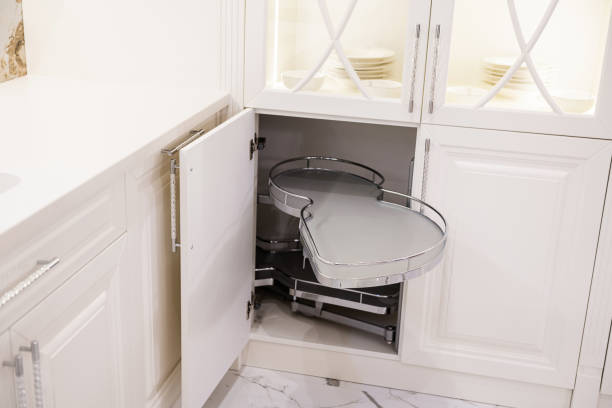
Blinde Eckauszugssysteme
Blinde Eckeinheiten (magische Kurven oder Le-Mans-Systeme) starken Rotationskräften und häufiger Belastung ausgesetzt sind. Edelstahl schneidet hier besser ab. Seine Steifigkeit verhindert ein Verdrehen oder Durchhängen, auch bei voller Beladung mit Töpfen und Pfannen. Es gibt Aluminium-Ecksysteme, aber sie passen leichter, Gelegenheitsküchen. Für das tägliche Kochen mit der Familie, Wählen Sie Edelstahl.
Unterschrank-Auszugskörbe
Unterschränke nehmen Ihre schwersten Gegenstände auf: Holländische Öfen, gusseiserne Pfannen, Rührschüsseln, und Gewürzgläser. Ausziehbare Körbe aus Edelstahl tragen diese Gewichte, ohne sich zu verbiegen. Aluminium funktioniert nur, wenn Sie leichte Gegenstände wie Kunststoffbehälter aufbewahren, wickelt, oder kleine Utensilien. Für die meisten Haushalte, Edelstahl ist die intelligentere Wahl.
Aufbewahrung im Wandschrank
Oberschränke profitieren vom geringen Gewicht von Aluminium. Schwere Edelstahlkörbe können Schrankkästen und Wandanker mit der Zeit belasten. Ausziehbare Aluminiumregale oder schlanke Schubladenorganisatoren reduzieren das Risiko und ermöglichen gleichzeitig einen einfachen Zugriff auf Gewürze, Kaffeezubehör, oder Konserven. Die modernen matten Oberflächen von Aluminium passen auch zu modernen Oberschrankdesigns.
Hohe Vorratsschränke
Für eine begehbare oder raumhohe Speisekammer, Bewerten Sie Ihren Aufbewahrungsstil. Robuster Edelstahl eignet sich für Großküchen oder Haushalte, in denen große Mengen Gegenstände gelagert werden (25 kg Mehlsäcke, mehrere Öldosen). Aluminium eignet sich für minimalistische Speisekammern im Wohnbereich, in denen Sie leichtere Lebensmittel aufbewahren, Snacks, und kleine Geräte. Erwägen Sie, beides zu mischen: Edelstahl für untere Regale, Aluminium für Oberteile.
Edelstahl vs. Aluminium: Welches hält länger??
Lebensdauervergleich
Hochwertiger Edelstahl (SUS304, richtig verschweißt) dauert 10–20 Jahre oder länger. Viele Küchenaccessoires aus Edelstahl überleben die Schränke, in denen sie montiert werden. Aluminium, auch mit Eloxierung, Hält unter normalen Haushaltsbedingungen typischerweise 5–10 Jahre an. Häufige Einwirkung von Feuchtigkeit, Salz, oder säurehaltige Lebensmittel verkürzen die Lebensdauer von Aluminium.
Faktoren, die die Langlebigkeit beeinflussen
- Luftfeuchtigkeit in der Küche – schlechte Belüftung beschleunigt die Oxidation von Aluminium.
- Salzbelastung – Kochen in Meeresnähe oder die Verwendung von salzhaltigen Reinigungsmitteln schadet unbehandeltem Aluminium.
- Häufigkeit der Nutzung – Tägliches Gleiten und Belasten beansprucht Aluminium stärker als Stahl.
- Qualität der Rutschen und Beschläge – Billige Rutschen können unabhängig vom Korbmaterial versagen.
- Qualität der Oberflächenbehandlung – Eloxiertes oder pulverbeschichtetes Aluminium hält länger als blankes Aluminium.
So wählen Sie das richtige Aufbewahrungszubehör für die Küche aus
Berücksichtigen Sie Ihren Küchenstil
Luxusküchen mit Geräten aus Edelstahl, professionelle Bereiche, und Arbeitsplatten aus Stein sehen am besten mit passender Aufbewahrung aus Edelstahl aus. Die zusammenhängende Metallästhetik signalisiert Qualität. Minimalistische Küchen – insbesondere solche mit matten Oberflächen, grifflose Schränke, oder Naturholz – kann die dezente Optik von Aluminium integrieren. Die mattschwarzen oder weißen Optionen von Aluminium fügen sich harmonisch in den Hintergrund ein.
Berücksichtigen Sie die Anforderungen an das Lagergewicht
Machen Sie eine Bestandsaufnahme dessen, was Sie lagern werden. Schweres Koch- und Vorratsgeschirr (Dosen, Gläser, Flaschen) Nachfrage nach Edelstahl. Tägliche Lichtlagerung (Besteck, wickelt, Gewürze, Backbleche) ermöglicht Aluminium. Wenn in Ihrem Haushalt Kinder leben oder häufig gekocht wird, Überschätzen Sie Ihren Gewichtsbedarf – Edelstahl bietet einen Sicherheitsspielraum.
Berücksichtigen Sie Budget und ROI
Berechnen Sie die Gesamtbetriebskosten, nicht nur der Kaufpreis. Ein billiger Aluminiumkorb, der nach drei Jahren kaputt geht, kostet mehr als ein Edelstahlkorb, der fünfzehn Jahre hält. Für Mietobjekte oder Ferienhäuser mit geringer Nutzung, Aluminium macht Sinn. Für Ihren Hauptwohnsitz, Investieren Sie in Edelstahl.
Wählen Sie einen zuverlässigen Lieferanten
- Materialzertifizierung (SUS304 gestempelt oder getestet)
- Gleichmäßiges Schweißen und glatte Kanten
- Normen für Korrosionsprüfungen (Z.B., 48-einstündiger Salzsprühtest)
- OEM/ODM-Unterstützung für Händler und Marken
Warum professionelle Hersteller Premium-Edelstahl bevorzugen
Bessere strukturelle Stabilität
Edelstahl ermöglicht eine stärkere Schweißung und Rahmenintegrität. Hersteller können komplexe Formen erstellen (Eckkörbe, doppellagige Auszüge) ohne Einbußen bei der Steifigkeit. Der niedrigere Schmelzpunkt und die weichere Beschaffenheit von Aluminium schränken die Designmöglichkeiten für Hochleistungsanwendungen ein.
Verbesserte Kundenzufriedenheit
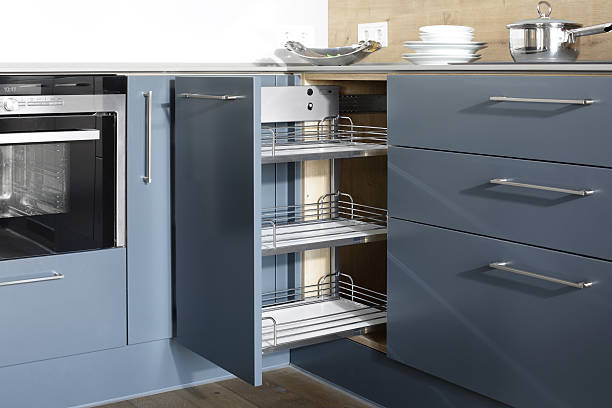
Endverbraucher bemerken Qualität. Ein Korb aus Edelstahl fühlt sich massiv an, gleitet reibungslos, und bleibt jahrelang gerade. Kunden beschweren sich selten über Rost oder Verbiegen. Dies führt zu weniger Retouren und höheren Bewertungen für Schrankmarken und -händler.
Positionierung im High-End-Markt
Luxusküchenprojekte und Premium-Schranklinien erfordern Edelstahl. Die Verwendung von Aluminium in diesen Märkten würde den wahrgenommenen Wert untergraben. Für Hersteller, die auf das High-End-Segment abzielen, Edelstahl ist nicht verhandelbar.
Abschluss
Die Wahl zwischen Küchenaufbewahrungszubehör aus Edelstahl und Aluminium hängt von Ihren Prioritäten ab.
Edelstahl bietet überragende Haltbarkeit, Stärke, und Premium-Positionierung. Es eignet sich hervorragend für Umgebungen mit hoher Luftfeuchtigkeit, Schwerlastanwendungen, und luxuriöse Küchendesigns. Die höheren Vorabkosten amortisieren sich über eine Lebensdauer von 10 bis 20 Jahren.
Aluminium bietet Leichtbauweise, moderne minimalistische Ästhetik, und flexible Installation. Es passt zu Oberschränken, Lagerung für leichte Nutzung, und budgetbewusste Projekte. Jedoch, Es kann sein, dass es der täglichen starken Belastung oder der harten Reinigung nicht standhält.
Beide Materialien haben ideale Einsatzmöglichkeiten. Bewerten Sie Ihre Küchennutzungsszenarien, bevor Sie eine Entscheidung treffen. Für schweres Kochgeschirr, Ecksysteme, und Stauraum unter der Spüle, Edelstahl gewinnt. Für Oberschrank-Organizer und schmale Schubladeneinsätze, Aluminium leistet hervorragende Arbeit.
Wenn Sie professionelle Beratung oder maßgeschneiderte Aufbewahrungshardware für die Küche benötigen, Kontakt BeneHardware. Wir helfen Händlern, Schrankmarken, und Großhändler wählen und fertigen die richtigen Lösungen für ihre Märkte.