À medida que a demanda global por ferragens premium para cozinha e móveis continua a aumentar, A China solidificou a sua posição como centro líder mundial na fabricação de acessórios para armários e utensílios de cozinha. De acordo com dados da indústria, o mercado global de ferragens para armários de cozinha atingiu aproximadamente RMB 35.2 bilhões em receitas em 2024, com projeções próximas do RMB 45.84 bilhões até 2031 – uma taxa composta de crescimento anual (CAGR) de 3.8%. Enquanto isso, o mercado mais amplo de sistemas de hardware de gabinete, que engloba dobradiças, deslizamentos, mecanismos de elevação, e acessórios de armazenamento, está crescendo em um ritmo ainda mais rápido – de RMB 95.87 bilhão em 2024 para um RMB estimado 149.99 bilhão por 2031 em um CAGR de 6.6%.
Com a China contabilizando 39% da produção mundial de armários de cozinha, substancialmente à frente do seu concorrente mais próximo, os Estados Unidos, compradores que entendem como navegar no cenário de fornecimento chinês podem garantir um valor excepcional sem comprometer a qualidade.
Por que adquirir acessórios de gabinete da China?
Liderança em custos sem sacrificar a qualidade
O ecossistema de fabricação de utensílios de cozinha e móveis da China oferece custos unitários normalmente 20-35% inferiores aos dos fabricantes ocidentais. Esta vantagem de custo decorre de clusters industriais integrados onde os fornecedores de matérias-primas, especialistas em ferramentas, linhas de montagem, e laboratórios de controle de qualidade operam próximos, reduzindo os prazos de entrega e as despesas gerais.
Diversidade de produtos incomparável
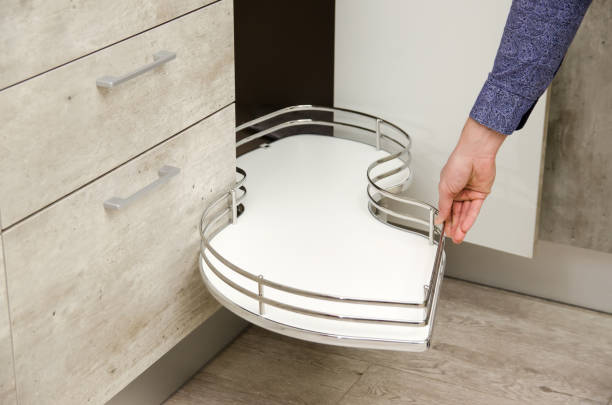
Os fabricantes chineses produzem uma extensa gama de acessórios de gabinete feitos sob medida para cantos cegos, armários baixos, armários de parede, e armários altos. Desde mecanismos de canto especializados até sistemas de gavetas para serviços pesados, a variedade de produtos disponíveis de fornecedores chineses é difícil de igualar em outros lugares.
Capacidades avançadas de fabricação
Só a província de Guangdong representa mais de 60% das exportações nacionais da China na categoria de acessórios de cozinha. Regiões como Hunan e Guangdong lideram na fabricação de metais de precisão, permitindo projetos OEM complexos com tolerâncias restritas. Os compradores ocidentais beneficiam de prazos de entrega mais curtos (15–30 dias em média) e quantidades mínimas de pedido flexíveis começando de 10 a 50 unidades.
Uma nota sobre riscos
Embora a China ofereça enormes vantagens de fornecimento, inconsistências de qualidade podem ocorrer entre fornecedores. A chave está na seleção verificada, parceiros respeitáveis que mantêm rigorosos padrões de controle de qualidade e certificações relevantes. Este guia irá equipá-lo com uma estrutura prática para avaliação de fornecedores.
Como adquirir acessórios por tipo de gabinete
Cada tipo de gabinete tem requisitos funcionais distintos. Compreender o hardware específico necessário para cada um ajudará você a fazer as perguntas certas ao avaliar fornecedores.
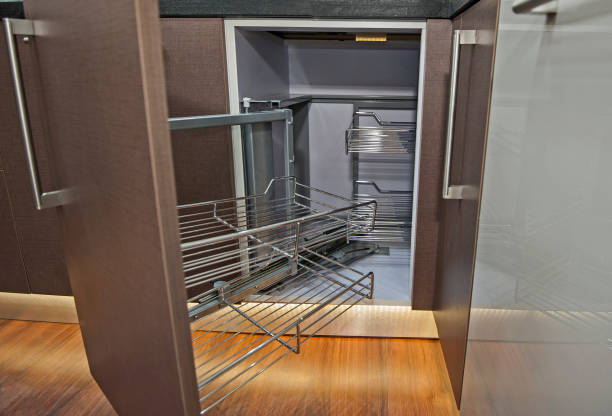
3.1 Soluções para cantos cegos
O armário de canto cego há muito é considerado um dos desafios mais frustrantes do design de cozinha - um profundo, cavidade escura onde itens são perdidos e esquecidos. A moderna engenharia de hardware transformou este problema em uma oportunidade. As soluções contemporâneas utilizam sofisticados mecanismos de articulação e trilhos telescópicos que permitem a extensão total dos cestos de armazenamento, proporcionando total visibilidade e acesso aos itens armazenados nos recessos mais profundos dos armários de canto.
O que procurar ao adquirir hardware de canto cego:
- Capacidade de carga: Uma extensão de canto cego de qualidade deve suportar um peso substancial. Procure uma construção robusta em aço com acabamentos revestidos a pó para resistência à corrosão. Os sistemas Premium apresentam mecanismos de fechamento suave que retardam a extração logo antes do fechamento final.
- Suavidade de operação: O mecanismo deve deslizar sem esforço mesmo sob carga total. As corrediças com rolamentos de esferas projetadas com precisão são essenciais para a longevidade – elas mantêm uma operação suave ao longo de milhares de ciclos enquanto atendem às demandas diárias.
- Qualidade dos Materiais: Aço inoxidável ou aço laminado a frio de alta qualidade com tratamento anticorrosivo garantem longevidade em ambientes de cozinha onde a umidade e o calor são fatores constantes.
- Compatibilidade: Certifique-se de que o fornecedor possa acomodar as dimensões do seu gabinete. Fabricantes de qualidade oferecem designs modulares que podem ser personalizados com base em medidas específicas do gabinete.
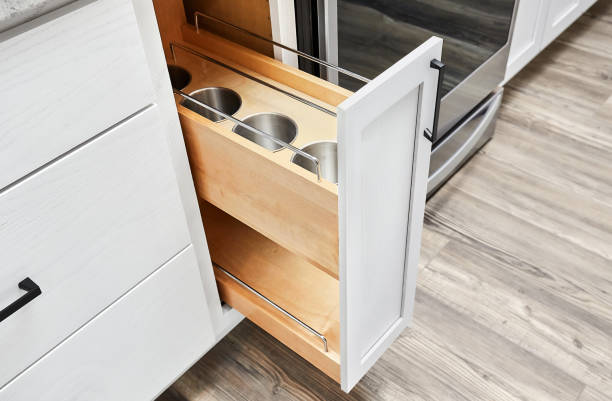
3.2 Acessórios para gabinete básico
Os armários baixos formam a base funcional de qualquer cozinha, bancadas de apoio, pias, e eletrodomésticos. Eles também suportam o uso diário mais pesado, tornando o hardware durável fundamental.
Os acessórios comuns do gabinete baixo incluem:
- Cestos extraíveis e sistemas de gavetas – Configurações resistentes para potes, panelas, e armazenamento de alimentos a granel.
- Caixas Tandem – Substituem as gavetas tradicionais e são projetadas para transportar cargas pesadas e, ao mesmo tempo, oferecer suavidade, movimento silencioso.
- Extraíveis para garrafas – Unidades altas e estreitas para óleos, condimentos, e garrafas usadas com frequência.
- Dobradiças de amortecimento – Mecanismos de fechamento suave para silêncio, fechamento controlado da porta do armário.
- Sistemas de lixeiras embaixo da pia – Soluções integradas de gerenciamento de resíduos que mantêm a cozinha higiênica.
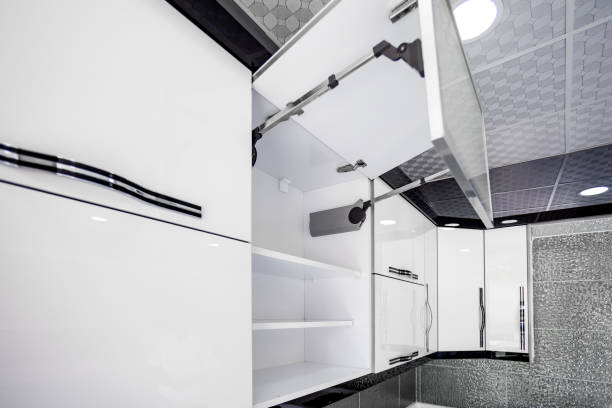
3.3 Acessórios para gabinete de parede
Armários de parede – também chamados de gabinetes superiores – são montados acima das bancadas, normalmente instalado 18 centímetros acima da bancada com profundidades variando de 12 polegadas para 24 polegadas. Eles armazenam peso leve, itens usados com frequência, como pratos, copos, e especiarias, tornando a acessibilidade a principal consideração de design.
Acessórios essenciais para armários de parede:
- Mecanismos de elevação: Sistemas que permitem que as portas dos armários abram para cima em vez de balançarem para fora, preservando o espaço do corredor e eliminando riscos de colisão de cabeça.
- Sistemas de prateleiras ajustáveis: Acessórios interiores modulares que acomodam itens de alturas variadas.
- Dobradiças de amortecimento: Dobradiças de fechamento suave que evitam batidas e prolongam a vida útil do gabinete.
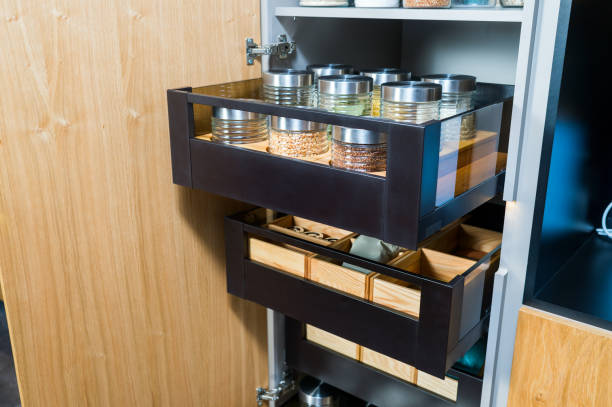
3.4 Acessórios para gabinete alto
Armários altos (armários de despensa, garagens de eletrodomésticos, armários utilitários) maximizar o armazenamento vertical em cozinhas lineares com poucos pés. O hardware adequado transforma essas profundas, espaços altos, de caóticos caóticos a organizados, zonas de armazenamento acessíveis.
Acessórios essenciais para armários altos:
- Sistemas extraíveis de extensão total: Prateleiras deslizantes do chão ao teto que colocam todo o conteúdo da despensa ao seu alcance confortável.
- Organizadores de cesta multicamadas: Soluções de armazenamento em camadas para categorizar produtos enlatados, grampos secos, e itens a granel.
- Sistemas de montagem interior: Divisórias modulares, prateleiras de especiarias, e inserções especializadas para diferentes tipos de itens.
E BeneHardware, temos orgulho em fabricar uma gama completa de cestas de cozinha que se adapta perfeitamente a todos os quatro tipos de gabinete:
- Soluções para cantos cegos – Sistemas de cantos mágicos projetados com precisão e cestos giratórios de camada dupla que eliminam o desperdício de espaço.
- Acessórios para gabinete baixo – Organizadores extraíveis para serviços pesados, sistemas de lixeira embutidos, e mecanismos de gaveta com fechamento suave construídos para resistir ao desgaste diário.
- Acessórios para armários de parede – Mecanismos de elevação e sistemas push-to-open para ergonomia, acesso com economia de espaço.
- Soluções de armários altos – extensões de despensa de extensão total e organizadores de vários níveis projetados para máxima eficiência de armazenamento vertical.
Critérios de avaliação de fornecedores
Ao avaliar potenciais parceiros, vá além das comparações de preços. Aplique esta estrutura de avaliação:
- Certificações e Conformidade
Solicite documentação para ISO 9001 (sistemas de gestão da qualidade), CE quando aplicável, e relatórios de testes de segurança de materiais. Para mercados internacionais, garantir que o fornecedor possa fornecer relatórios de conformidade com a FDA para alimentos, Rohs, e declarações livres de BPA.
- Referências de clientes e estudos de caso
Peça referências de compradores em seu mercado-alvo. Um fornecedor confiável fornecerá exemplos de histórico de exportação, particularmente para regiões com requisitos rigorosos de importação, como a América do Norte ou a UE.
- Quantidade mínima de pedido e capacidade de fornecimento
Qualifique o MOQ de acordo com seus requisitos de giro de estoque. Embora MOQs flexíveis a partir de 10 a 50 unidades sejam cada vez mais comuns, confirme se o fornecedor pode escalar a produção à medida que seu negócio cresce.
- Logística e Suporte Pós-Venda
Verifique os termos de envio (EXW, FOB, CIF) e tempos típicos de processamento de contêineres. O acesso a portos como Shenzhen e Guangzhou afeta significativamente os custos de frete. Crucialmente, esclarecer os termos de garantia, políticas de devolução de defeitos, e disponibilidade de peças de reposição antes de se comprometer com pedidos grandes.
Lista de Verificação de Fornecedores
Ao restringir sua lista, solicitar:
- Relatórios de auditoria de fábrica (Sgs, BV, ou avaliações de terceiros da Intertek).
- Relatórios de teste de produto para durabilidade, capacidade de carga, e resistência à corrosão.
- Folhas de especificações de materiais (classe de aço inoxidável, tipo de revestimento, espessura do metal).
- Amostras de produtos para avaliação física.
- Histórico de transações mostrando volume de exportação consistente.
Dicas para uma terceirização bem-sucedida
Sempre solicite amostras primeiro
Nunca se comprometa com a produção total sem avaliar amostras físicas. Capacidade de carga de teste, suavidade de operação, durabilidade do acabamento, e instalação adequada às configurações reais do gabinete. Este pequeno investimento inicial evita erros dispendiosos a jusante.
Especifique claramente os materiais e as dimensões
Fornecer especificações técnicas detalhadas, incluindo a qualidade do material (Por exemplo, Aço inoxidável SUS304 vs.. aço laminado a frio), acabamento superficial (galvanizado, revestido a pó, anodizado), tolerâncias dimensionais, e requisitos de carga. Inclua desenhos detalhados sempre que possível.
Planeje cuidadosamente a embalagem e o envio
Discuta antecipadamente os requisitos de embalagem – proteção de espuma, especificações da caixa, paletização, e carregamento de contêineres. Embalagem inadequada é uma das principais causas de danos ao produto durante o transporte. Se você é novo no envio internacional, considere trabalhar com um despachante logístico.
Construa parcerias de longo prazo
Depois de identificar um fornecedor confiável, invista no relacionamento. Comunicação consistente, pagamentos pontuais, e a resolução colaborativa de problemas abrem caminho para preços preferenciais, slots de produção prioritários, e primeiro acesso a novas inovações de produtos.
Conclusão
Fornecimento de acessórios de gabinete de alta qualidade, cestas de cozinha, e ferragens para móveis da China oferecem um valor excepcional - mas apenas quando abordados sistematicamente. Compreender os requisitos específicos de hardware para cantos cegos, armários baixos, armários de parede, e armários altos garantem que você faça as perguntas certas durante a avaliação do fornecedor. Verificando credenciais do fornecedor, amostras de teste, e negociar termos claros protege seu investimento.
O ecossistema de fabricação de utensílios de cozinha da China é vasto, mas os compradores mais bem-sucedidos concentram-se em encontrar parceiros que combinem preços competitivos com rigoroso controle de qualidade e serviço ágil. Seguindo a estrutura deste guia, você pode adquirir com segurança os componentes que irão elevar seus produtos de cozinha e móveis.