
As cozinhas modernas dependem fortemente de hardware de alta qualidade para funcionar perfeitamente e ter uma aparência elegante. Desde cestos extraíveis até gavetas totalmente extensíveis, esses componentes melhoram a eficiência do armazenamento, melhorar a usabilidade, e elevar a estética geral da cozinha. A importação de ferragens de cozinha permite que os compradores tenham acesso a produtos premium nem sempre disponíveis localmente. No entanto, importar também traz desafios, incluindo verificação de fornecedor, controle de qualidade, envio, e conformidade com regulamentos de importação. Este guia ajuda os compradores a enfrentar esses desafios. Ele destaca os principais fatores a serem considerados antes de importar utensílios de cozinha, garantindo que você tome decisões informadas, economizar custos, e aprimore seus projetos de cozinha com acessórios confiáveis.
Compreendendo os diferentes tipos de utensílios de cozinha
Os utensílios de cozinha vêm em muitas formas, cada um servindo uma função específica. Conhecer os tipos ajuda os compradores a escolher produtos que correspondam ao design da sua cozinha e às necessidades de armazenamento.
Cestos extraíveis e sistemas de despensa
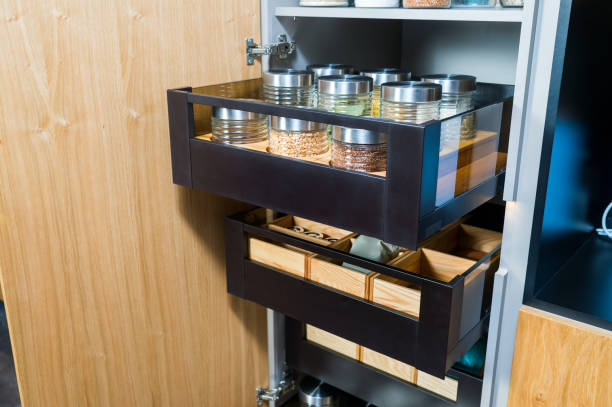
Cestos extraíveis aumentar a acessibilidade ao armazenamento, particularmente em armários baixos ou sistemas de despensa. Os compradores devem verificar a capacidade de peso, dimensões da cesta, e comprimento da extensão. Cestos de alta qualidade deslizam suavemente e evitam que os itens tombem ou caiam.
Gavetas de extensão total
Gavetas de extensão total permitem que os usuários acessem facilmente todo o espaço da gaveta. Considere o material das corrediças da gaveta, comprimento da extensão, e suavidade. Algumas opções premium oferecem mecanismos de fechamento suave que evitam batidas e reduzem o desgaste ao longo do tempo.
Dobradiças e acessórios de gabinete
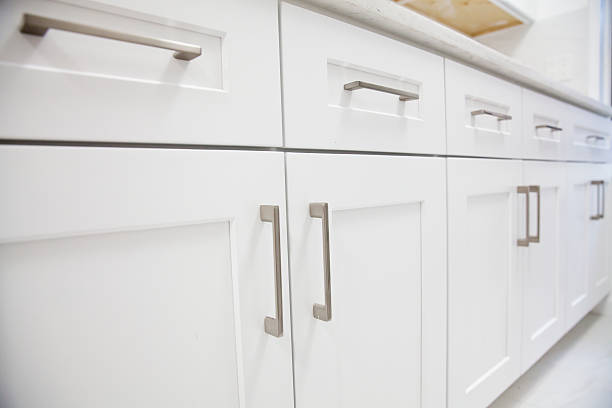
As dobradiças do gabinete determinam a funcionalidade e longevidade da porta. Dobradiças ocultas ou de fechamento suave melhoram a estética e proporcionam uma sensação premium. Dobradiças ajustáveis permitem alinhamento preciso e reduzem erros de instalação. Acessórios como suportes, alças, e os trilhos devem corresponder ao peso do gabinete e à frequência de uso.
Ao compreender esses tipos de hardware, os compradores podem combinar os produtos com as necessidades funcionais, garantindo durabilidade e operação suave.
Considerações sobre qualidade e materiais
A qualidade do material afeta diretamente a durabilidade, desempenho, e estética. Ao importar ferragens de cozinha, preste atenção ao seguinte:
Aço inoxidável vs.. Alumínio vs.. Aço Galvanizado
- Aço inoxidável: Oferece excelente resistência à corrosão e resistência. É adequado para ambientes com muita umidade, como cozinhas.
- Alumínio: Leve e resistente à ferrugem, mas pode dobrar sob cargas pesadas. Melhor para aplicativos de uso moderado.
- Aço Galvanizado: Acessível e forte, mas requer revestimentos protetores para evitar ferrugem ao longo do tempo.
Tratamentos de Superfície
Diferentes acabamentos melhoram a durabilidade e o apelo visual. Os tratamentos comuns incluem revestimento em pó, galvanoplastia, e superfícies escovadas. Eles evitam arranhões, manchas, e corrosão, mantendo uma aparência polida por anos.
Sinais de hardware de alta qualidade
Inspecione a espessura do produto, soldas, e mecanismos deslizantes. Suave, corrediças de gaveta silenciosas, quadros de cesta sólidos, e dobradiças robustas indicam um trabalho artesanal confiável. Evite barato, materiais finos que se desgastam rapidamente ou falham sob o peso.
Dica de verificação e fornecimento de fornecedores
Encontrar o fornecedor certo pode fazer ou quebrar seu processo de importação. Siga estas diretrizes para identificar parceiros confiáveis:
Plataformas de pesquisa e exposições
Use plataformas B2B confiáveis como Alibaba, Feito na china, ou participe de feiras para conhecer fabricantes verificados. Solicite vários orçamentos e amostras para comparar qualidade e preços.
Verifique as credenciais do fornecedor
Verifique certificações como ISO, CE, ou outras aprovações de exportação. Revise o feedback anterior do cliente e o histórico. Fornecedores com longa experiência em remessas internacionais geralmente oferecem transações mais tranquilas.
Melhores práticas de comunicação
Defina claramente seus requisitos, incluindo dimensões, materiais, acabamentos, e quantidade. Confirme os prazos de entrega, cronogramas de produção, e quantidades mínimas de pedido. Realize testes de amostra antes de fazer pedidos em grandes quantidades para evitar erros dispendiosos.
Evite armadilhas comuns
Cuidado com preços anormalmente baixos, descrições vagas de produtos, ou fornecedores que hesitam em fornecer referências. Hardware de baixo custo muitas vezes compromete a durabilidade, levando a reclamações e devoluções de clientes.
Regulamentos e custos de importação
Compreender as regras alfandegárias e de importação garante um processo mais tranquilo e evita custos inesperados:
Direitos Aduaneiros e Impostos
Verifique taxas de importação, CUBA, e quaisquer taxas adicionais. Cada país aplica taxas de imposto diferentes com base no tipo de produto, origem, e classificação do código HS.
Opções de envio
- Frete Marítimo: Econômico para pedidos em grandes quantidades, entrega mais lenta.
- Frete Aéreo: Mais rápido, mas caro, adequado para pedidos pequenos ou remessas urgentes.
- Serviços de correio: Conveniente para amostras ou pacotes pequenos, limitado por tamanho e peso.
Documentação
Preparar faturas, listas de embalagem, e certificados de origem. Documentação precisa garante desembaraço aduaneiro sem atrasos. Documentação mal classificada ou incompleta pode gerar multas ou rejeição de remessa.
Embalagem, Logística, e Gestão de Risco
O envio de utensílios de cozinha envolve riscos como danos, corrosão, ou perda. A embalagem adequada e o planejamento logístico podem minimizar esses riscos.
Qualidade da embalagem
Use caixas resistentes, acolchoamento protetor, e materiais impermeáveis. Itens frágeis, como armários com frente de vidro ou controles deslizantes delicados, requerem cuidado extra.
Riscos de Transporte
Os produtos podem sofrer arranhões, amassados, ou danos por umidade durante o transporte. Considere as condições climáticas e métodos de manuseio.
Estratégias de Gestão de Risco
- Adquira um seguro de remessa para cobrir perdas ou danos.
- Use serviços de inspeção terceirizados para verificações de qualidade antes do envio.
- Considere dividir os pedidos em várias remessas para reduzir o impacto de possíveis perdas.
Considerações sobre instalação e pós-compra
Assim que o hardware chegar, instalação e manutenção adequadas garantem desempenho a longo prazo:
Dicas de instalação
- Meça os gabinetes com precisão para confirmar a compatibilidade do hardware.
- Siga as instruções do fabricante para colocação e alinhamento dos parafusos.
- Use ferramentas de qualidade para evitar danos durante a montagem.
Manutenção e Limpeza
- Limpe regularmente as superfícies de aço inoxidável ou alumínio para evitar manchas.
- Lubrifique os mecanismos deslizantes periodicamente para um funcionamento suave.
- Evite produtos químicos agressivos que danificam revestimentos ou acabamentos.
Suporte pós-venda
Escolha fornecedores que forneçam garantias, peças de reposição, ou assistência técnica. Um serviço pós-venda confiável protege seu investimento e garante a satisfação do cliente.
Conclusão
A importação de ferragens de cozinha pode elevar seus projetos de cozinha com alta qualidade, durável, e acessórios esteticamente agradáveis. Os compradores devem se concentrar em compreender os tipos de hardware, selecionando materiais de qualidade, verificando fornecedores, em conformidade com os regulamentos de importação, e gerenciamento de logística.
Investindo tempo em pesquisa, teste de amostra, e a comunicação com fornecedores reduz riscos e garante um processo de importação tranquilo. Com um planejamento cuidadoso, os compradores podem acessar hardware de cozinha premium, aprimorar seus designs, e fornecer funcionalidade excepcional nos próximos anos.