We’ve all been there: your kitchen pantry looks spacious at first glance, but when you need to grab a can of beans or a bag of rice, you’re digging through piles of items, struggling to find what you need. You end up buying duplicates because you forgot you already had that jar of pasta sauce, and half the time, you discover expired snacks or spices hidden in the back—wasting money and space. The truth is, a messy pantry doesn’t just look unappealing; it slows down your cooking, creates unnecessary stress, and wastes precious resources. A well-organized pantry saves time, cuts down on food waste, and makes every cooking session smoother and more enjoyable. This guide breaks down practical steps and smart storage solutions to help you organize your kitchen pantry efficiently, with simple tips that work for every kitchen size.
Why Pantry Organization Matters
Organizing your pantry isn’t just about making it look tidy—it’s about creating a functional space that works for you. Here’s why it matters:
- Better Visibility: When everything has a place, you can see all your ingredients at a glance. No more rummaging through the back of shelves or pulling out multiple items just to find one thing. You’ll save time and frustration every time you cook.
- Reduced Food Waste: Expired food is a common problem in cluttered pantries. When items get lost in the mess, you forget they exist until it’s too late. An organized pantry lets you check expiration dates easily, so you use what you have before it goes bad.
- Improved Kitchen Efficiency: Cooking becomes a breeze when you can grab ingredients quickly. You won’t have to stop mid-recipe to search for spices or grains, making meal prep faster and more enjoyable.
Maximized Storage Space: Even small pantries have hidden potential. The right organization techniques let you use every inch of space, from floor to ceiling, so you can fit more without the clutter.
Step 1 – Empty and Clean Your Pantry
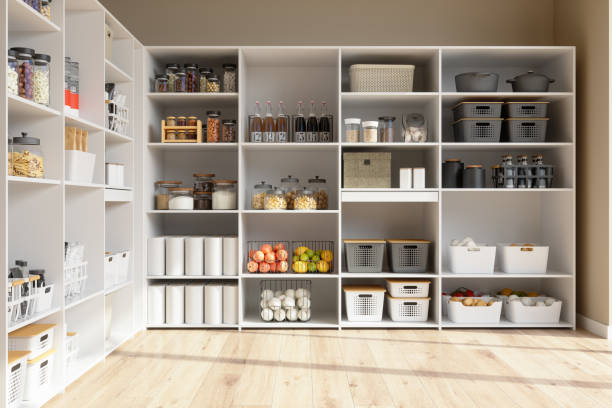
The first step to a well-organized pantry is starting fresh. Take everything out—yes, every can, box, and bag—and place it on your kitchen counter or table. This might feel overwhelming at first, but it’s the only way to see exactly what you have. Next, check every item’s expiration date. Toss out anything that’s expired, spoiled, or that you know you’ll never use (we’re looking at that half-empty jar of weird sauce from two years ago). Once you’ve sorted through your items, wipe down the shelves and surfaces with a damp cloth to remove dust, crumbs, and stains. Starting from scratch makes organization much easier—you’ll have a clean slate to work with, and you won’t miss any hidden messes.
Step 2 – Sort Pantry Items by Category
Now that your pantry is clean, it’s time to sort your remaining items into categories. Grouping similar items together makes it easy to find what you need and keeps your pantry organized long-term. Here’s a simple category breakdown that works for most kitchens:
- Grains and Pasta: Rice, quinoa, oats, pasta, and other dry grains.
- Canned Foods: Canned vegetables, beans, soups, and sauces.
- Snacks: Chips, cookies, granola bars, and other quick treats.
- Baking Supplies: Flour, sugar, baking powder, chocolate chips, and other baking essentials.
- Spices and Condiments: Herbs, spices, vinegar, and other flavor boosters.
You can adjust these categories to fit your needs—if you love tea or coffee, add a “Beverages” category; if you have kids, create a dedicated “Kids’ Snacks” section. The goal is to group items so you can locate them in seconds.
Step 3 – Use Pantry Storage Zones
Once your items are sorted, it’s time to assign them to storage zones. Zoning your pantry means grouping items based on how often you use them and how they fit into your cooking routine. This follows the natural flow of your kitchen and makes meal prep even easier. Here are the key zones to create:
- Everyday Cooking Zone: Keep items you use daily here—think spices, cooking oils, grains, and canned goods you reach for often. This should be at eye level or within easy reach, so you don’t have to bend or stretch.
- Snack Zone: Dedicate a section to snacks, especially if you have kids. Keep it at a height they can reach (if safe) or in a spot where you can grab a quick treat without disrupting your cooking zone.
- Bulk Storage Zone: Store large packages—like 10-pound bags of rice or flour—in this zone. It can be on a lower shelf or the top of the pantry, since you won’t need these items every day.
- Backup Storage Zone: Keep extra supplies here—like backup cans of soup, extra boxes of pasta, or spare spices. This keeps your everyday zone from getting cluttered and ensures you never run out of essentials.
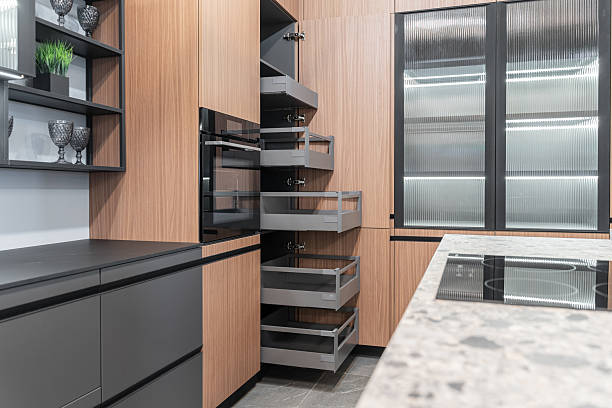
Step 4 – Maximize Pantry Cabinet Space with Pull-Out Organizers
Deep pantry cabinets are a common culprit of wasted space. We’ve all struggled to reach items in the back—you pull out three things just to get to the one you need, and half the time, items get forgotten or crushed. The solution? Pull-out pantry organizers. These handy tools turn deep, hard-to-reach cabinets into accessible, functional storage that lets you use every inch of space.
Pull-Out Pantry Baskets
Pull-out pantry baskets are perfect for storing dry goods, canned foods, and spices. They slide out smoothly, so you can reach the back of the cabinet without any hassle. The open design gives you full visibility, so you’ll never lose track of what you have. Use them for grains, snacks, or canned vegetables—they’re versatile and easy to install, making them a must-have for any pantry.
Multi-Layer Pull-Out Pantry Systems
If you have tall pantry cabinets, multi-layer pull-out pantry systems are a game-changer. These systems have multiple shelves or baskets stacked vertically, so you can use the full height of your cabinet. They slide out as one unit, giving you easy access to every layer—no more standing on a step stool to reach the top shelf. They’re ideal for storing bulk items, baking supplies, or even small kitchen tools.
Cabinet Drawer Organizers
For smaller items like spices, small snack packs, or kitchen accessories, cabinet drawer organizers are perfect. They divide drawers into sections, so you can keep tiny items organized and easy to find. No more digging through a jumble of spice jars or snack bags—everything has its own spot, and you can grab what you need in seconds.
Step 5 – Use Vertical Space Efficiently
Most people waste a lot of space in their pantries by only using the shelves that come with the cabinet. The vertical space—from the top of the shelves to the ceiling—is often underutilized, but it’s a goldmine for extra storage. Here’s how to use it:
- Adjustable Shelves: If your pantry has adjustable shelves, move them to fit your items. For example, place shelves closer together for small items like spices, and farther apart for tall items like cereal boxes or bulk containers. This lets you customize the space to your needs.
- Pull-Out Pantry Racks: Install pull-out racks above or below your existing shelves to add extra storage. These racks slide out, so you can store items like baking sheets, cutting boards, or even extra cans without taking up valuable shelf space.
- Multi-Tier Baskets: Use multi-tier baskets on your shelves to double the storage space. These baskets stack vertically, so you can store more items in the same footprint. They’re great for snacks, spices, or small canned goods.
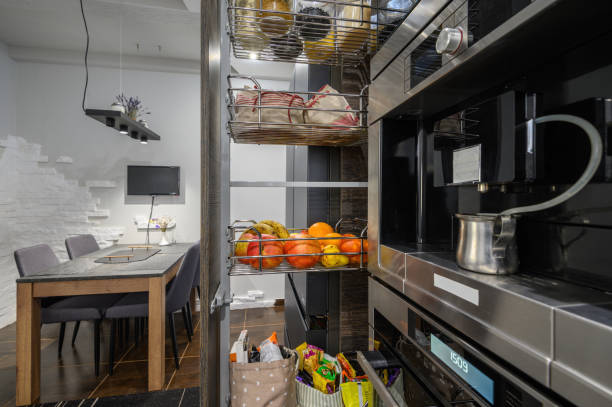
Step 6 – Store Items Based on Frequency of Use
The golden rule of pantry organization is simple: store items based on how often you use them. This cuts down on time spent searching and keeps your most-used items within easy reach. Here’s how to apply it:
- Front: Keep frequently used items—like spices, cooking oils, and everyday grains—at the front of the shelves. These are the items you grab multiple times a day, so they should be easy to reach without moving anything else.
- Middle: Store items you use weekly—like canned soups, pasta, or baking supplies—in the middle shelves. They’re accessible but not taking up the prime front space.
- Top/Back: Reserve the top shelves and the back of lower shelves for items you rarely use—like holiday baking supplies, bulk items you don’t open often, or backup supplies. These items don’t need to be easily accessible, so they can go in the “less convenient” spots.
Common Pantry Organization Mistakes
Even with the best intentions, it’s easy to make mistakes when organizing your pantry. Avoid these common pitfalls to keep your space tidy long-term:
- Overcrowding Shelves: It’s tempting to cram as much as possible into your pantry, but overcrowding makes it hard to find items and leads to clutter. Leave a little space between items so you can grab what you need without knocking everything over.
- Not Labeling Containers: If you transfer items to glass or plastic containers (a great way to keep dry goods fresh), always label them. Without labels, you’ll forget what’s inside—leading to duplicates or expired items.
- Ignoring Cabinet Depth: Deep cabinets are a waste if you can’t reach the back. Don’t just pile items in—use pull-out organizers to make the most of the depth and keep everything accessible.
- Using Low-Quality Storage Hardware: Cheap pull-out baskets or organizers might save you money upfront, but they’ll break easily, stick, or can’t support the weight of canned goods. Invest in high-quality kitchen storage hardware to ensure durability and functionality.
Pantry Organization Ideas for Different Kitchen Sizes
Whether you have a tiny pantry or a large walk-in space, these ideas will help you make the most of your storage:
- Small Kitchen Pantry: In small pantries, vertical storage is your best friend. Use pull-out baskets to access deep cabinets, install adjustable shelves to fit tall items, and use narrow cabinet organizers to fit into tight spaces. You can also use the back of the pantry door for extra storage—hang a rack for spices or small snacks.
- Large Pantry Cabinets: If you have a large pantry, take advantage of the space with multi-layer pull-out pantry systems. Create dedicated zones for each food category, and use pull-out baskets to keep items organized. You can also add a countertop or shelf in the middle for quick meal prep or to store small appliances.
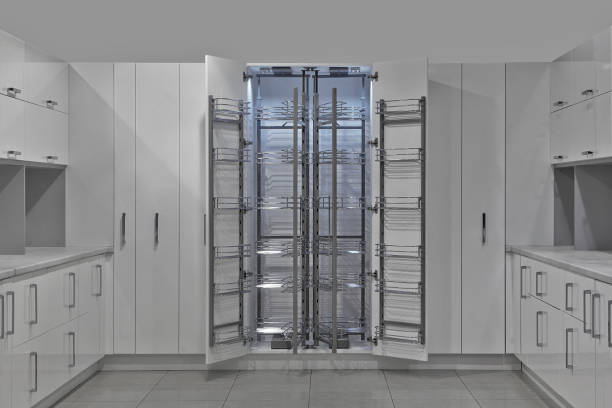
How to Choose the Right Pantry Storage Hardware
When shopping for pantry storage hardware, keep these factors in mind to choose the best options for your space:
- Material Quality: Look for hardware made from rust-resistant, corrosion-resistant materials like stainless steel. This ensures durability, especially in a kitchen where moisture can be a problem.
- Smooth Sliding System: The best pull-out organizers have a smooth, quiet sliding system. Test them out if you can—they should slide in and out easily without sticking or jamming.
- Load Capacity: Make sure the hardware can support the weight of your items. Canned goods and bulk items can be heavy, so choose organizers with a high load capacity to avoid bending or breaking.
- Space Compatibility: Measure your pantry cabinets before buying. Choose organizers that fit the depth and width of your cabinets—you don’t want to buy something that’s too big or too small.
- High-quality kitchen hardware ensures durability and better storage efficiency. It’s an investment that will keep your pantry organized for years to come.
Conclusion
An organized pantry isn’t just a nice-to-have—it’s a functional space that makes cooking easier, saves time, and reduces waste. By following these steps—emptying and cleaning, sorting by category, using zones, maximizing space with pull-out organizers, and maintaining your space—you can create a clutter-free pantry that works for you.
The right kitchen pantry storage solutions, like pull-out pantry organizers and high-quality cabinet hardware, are key to maximizing space and keeping your pantry organized. They turn deep, hard-to-reach cabinets into accessible storage, so you can use every inch of your pantry efficiently.