
When sourcing kitchen hardware for a retail business, furniture manufacturing project, or wholesale distribution, buyers often face a common question: Should you work with a China kitchen hardware supplier or choose a local supplier?
There is no universal answer. The right choice depends on your order volume, product requirements, target market, delivery expectations, and supply chain capabilities. A local supplier may offer faster communication and easier after-sales service, while a China kitchen hardware supplier can provide broader product selections, competitive pricing, customization options, and access to a mature manufacturing supply chain.
For B2B buyers, the most important point is not simply finding the lowest unit price. You need to compare the total purchasing cost, product consistency, supplier capability, lead time, quality control, and long-term supply reliability before making a decision.
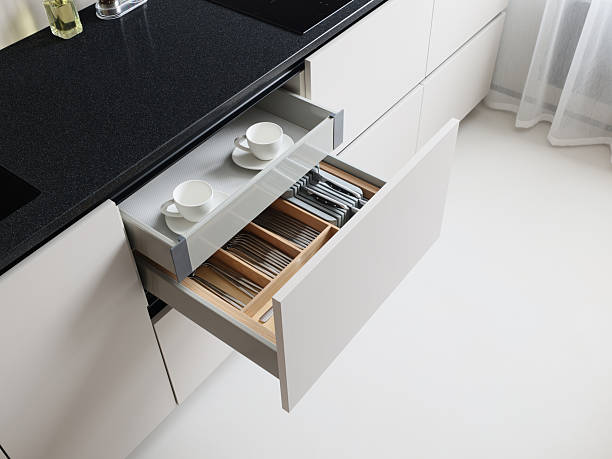
What Is the Difference Between a China Kitchen Hardware Supplier and a Local Supplier?
A China kitchen hardware supplier typically serves international buyers through direct manufacturing, wholesale distribution, or an integrated supply chain. Common products include kitchen pull-out baskets, cabinet organizers, drawer systems, corner cabinet storage, hinges, slides, lift-up fittings, pantry organizers, and other furniture hardware.
A local supplier, on the other hand, usually operates closer to the buyer’s market. It may maintain local inventory, provide domestic delivery, and offer easier communication and installation support. Local suppliers can be particularly attractive when buyers need small quantities, urgent replenishment, or immediate technical assistance.
The key difference is therefore not simply geographical. It is the sourcing model. China offers access to a large manufacturing ecosystem and multiple supplier options, while local sourcing generally provides greater convenience and shorter logistics chains.
China Kitchen Hardware Supplier: The Main Advantages
One of the biggest reasons international buyers consider Chinese suppliers is cost competitiveness. China’s large manufacturing ecosystem supports efficient production of metal components, aluminum profiles, stainless steel products, plastic parts, slides, hinges, and other cabinet hardware. Buyers can often obtain more competitive prices when purchasing in larger quantities.
However, the real advantage goes beyond the factory price. China has a highly developed furniture hardware supply chain, allowing buyers to source multiple related categories from one supplier or coordinated supplier network. Instead of purchasing a pull-out pantry from one company, drawer organizers from another, and corner cabinet accessories from a third, buyers may be able to consolidate more categories into one purchasing program.
This can simplify supplier management and reduce the time spent coordinating multiple orders.
Another major advantage is product variety. A professional China kitchen hardware supplier can often provide a wide range of sizes, finishes, materials, functions, and installation options. This is particularly valuable for wholesalers, furniture manufacturers, kitchen companies, and distributors that need multiple product categories rather than a single standard item.
China suppliers can also offer more flexibility for OEM and ODM projects. Buyers may request customized dimensions, colors, finishes, packaging, product combinations, or other specifications depending on the supplier’s production capabilities. For businesses developing their own product range, this flexibility can create more opportunities to differentiate from competitors.

Local Supplier: Where Does It Have the Advantage?
Local suppliers have one obvious advantage: convenience.
When a buyer needs a small quantity of cabinet hardware quickly, purchasing locally can be much easier. Products may already be available in a nearby warehouse, eliminating international shipping and customs clearance. Local suppliers may also provide faster replacement services when a product has a defect or when additional components are needed for a project.
Communication can also be simpler. Buyers can communicate in their local language, visit a showroom, inspect products directly, and sometimes receive technical or installation support on-site.
For small renovation projects, urgent replacement orders, or customers who value immediate service more than purchasing cost, a local supplier can therefore be the better option.
However, local sourcing may come with higher product costs because the supplier may purchase from manufacturers, maintain local inventory, operate warehouses, and include additional distribution margins in the final price.
China vs. Local Supplier: Which Offers Better Pricing?
Price is often the first factor B2B buyers compare, but it should not be the only one.
A China kitchen hardware supplier may offer a lower EXW or FOB unit price, but international buyers also need to consider freight, customs duties, insurance, local transportation, inspection costs, and inventory costs. The final comparison should therefore focus on landed cost, not simply the supplier’s quotation.
At the same time, local suppliers may have a higher unit price but lower logistical complexity. If you only need 20 drawer organizers or a few replacement hinges, importing directly from China may not make financial sense.
The situation changes when order volume increases. For wholesalers, distributors, furniture manufacturers, and project buyers, purchasing hundreds or thousands of units can make international sourcing much more attractive.
A useful approach is to compare:
Product Price + Shipping + Import Costs + Inspection + Local Handling + Inventory Cost = Total Procurement Cost
This gives buyers a more realistic picture of which sourcing option provides better value.
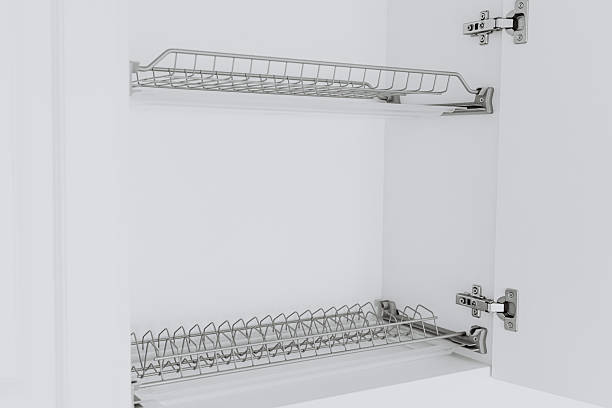
Product Range and Customization
Product variety is another important consideration when comparing a China kitchen hardware supplier with a local supplier.
Local distributors often focus on a specific selection of established products. This works well when buyers already know exactly what they need. However, businesses that want to expand their product range may need to work with several local suppliers.
Chinese suppliers can offer broader category coverage, particularly when they work with an established furniture hardware supply chain. Buyers may source products such as kitchen pull-out baskets, blind corner storage solutions, magic corner units, pull-out pantry systems, drawer organizers, cabinet hinges, drawer slides, lift-up systems, and other cabinet accessories through one sourcing program.
Customization can also be easier when working directly with manufacturers. Instead of selecting only products from an existing catalog, B2B buyers may discuss specifications, finishes, dimensions, packaging, and product improvements directly with the supplier.
For businesses looking to build a differentiated product portfolio, this flexibility can be a significant advantage.
Quality Control: Is a China Supplier Riskier?
Many buyers still worry that sourcing from China automatically means higher quality risks. In reality, supplier selection and quality management matter more than the supplier’s country of origin.
China has suppliers operating at very different quality levels. Some focus mainly on low-cost production, while others have structured quality management systems, experienced engineering teams, export experience, and established inspection procedures.
For kitchen hardware, buyers should define quality requirements before placing a bulk order. Important factors may include material, thickness, surface treatment, load capacity, opening cycles, installation accuracy, corrosion resistance, packaging, and product dimensions.
A reliable supplier should be able to provide clear specifications, samples, inspection standards, and production information. Buyers can also use pre-shipment inspections or third-party inspection services when appropriate.
The same principle applies to local suppliers. Buying locally does not automatically guarantee higher quality. Buyers should still evaluate product specifications, certifications, testing, warranty terms, and supplier reputation.
The better question is not “Is China good quality?” but “Does this supplier have a reliable quality control process?”
Lead Time and Delivery
Delivery speed is one area where local suppliers usually have a clear advantage.
If a local distributor has products in stock, buyers may receive them within days. This makes local sourcing attractive for urgent projects and replacement orders.
China sourcing requires more planning. The process may include product confirmation, sampling, production, quality inspection, packaging, international transportation, customs clearance, and final delivery. Buyers should therefore plan their purchasing schedule well in advance.
For regular B2B purchasing, however, longer lead times do not necessarily create a disadvantage. Buyers can establish forecast-based purchasing and inventory planning to maintain stable supply.
For example, a wholesaler may place larger orders with a China kitchen hardware supplier every few months instead of making frequent small purchases locally. This can reduce purchasing costs while maintaining sufficient inventory.
MOQ and Order Flexibility
Minimum order quantity is another factor that buyers should consider carefully.
China manufacturers may require an MOQ because production involves raw materials, tooling, packaging, and production setup. However, MOQ varies significantly between suppliers and product categories.
For large wholesalers and distributors, MOQ is usually less of a problem because their purchasing volume is already substantial. They can often obtain better pricing and more favorable commercial terms.
For small businesses or companies testing a new product category, local suppliers may be more flexible because they already hold inventory and can sell smaller quantities.
Therefore, the question should not simply be “Which supplier has the lowest MOQ?” Instead, ask whether the supplier’s MOQ matches your actual sales volume and inventory strategy.
Communication and After-Sales Service
Local suppliers generally make communication easier because buyers are operating in the same market. Product returns, replacements, technical questions, and urgent orders can often be handled quickly.
China suppliers need stronger communication processes. However, experienced export suppliers increasingly provide dedicated sales teams, technical support, product documentation, samples, inspection reports, packaging information, and online communication throughout the order process.
For B2B buyers, clear communication is particularly important before production begins. Product specifications, drawings, packaging requirements, quality standards, delivery dates, payment terms, and replacement policies should all be clearly confirmed.
A supplier that communicates clearly and provides transparent information can often reduce sourcing risks more effectively than a supplier that simply offers the lowest quotation.
China Kitchen Hardware Supplier vs. Local Supplier: Which Is Better?
For most medium-to-large B2B buyers, a reliable China kitchen hardware supplier can offer stronger overall value when the purchasing strategy focuses on cost, product variety, customization, and long-term supply.
China sourcing is especially suitable for:
- Kitchen hardware wholesalers
- Furniture manufacturers
- Kitchen cabinet companies
- Importers and distributors
- Home improvement retailers
- Project buyers
- Brands developing private-label products
Local suppliers may be a better choice when you need small quantities, immediate delivery, local installation, or fast replacement service.
The best solution can also be a combination of both. Some businesses use China suppliers for regular bulk purchasing while maintaining relationships with local distributors for urgent orders and replacement needs.
How to Choose a Reliable China Kitchen Hardware Supplier
Before placing an order, evaluate the supplier from several perspectives rather than comparing price alone.
First, check the supplier’s product range and specialization. A supplier with extensive experience in kitchen storage and furniture hardware may understand product applications, installation requirements, and common problems better than a general trading company.
Next, review its quality control system. Ask about material specifications, testing procedures, inspection standards, sample approval, and pre-shipment inspection.
You should also evaluate production capacity and supply chain stability. If you need multiple product categories, confirm whether the supplier can manage different SKUs consistently and coordinate production efficiently.
Finally, look at communication, packaging, logistics support, payment terms, and after-sales policies. A reliable supplier should provide clear information throughout the purchasing process rather than disappearing after receiving the deposit.
Conclusion
So, China Kitchen Hardware Supplier vs. Local Supplier: Which Is Better?
For small, urgent, or highly service-oriented purchases, a local supplier may be the more practical choice. For medium-to-large B2B orders, product diversification, OEM projects, and long-term sourcing, a reliable China kitchen hardware supplier can provide significant advantages in pricing, product variety, customization, and supply chain access.
The most important lesson is to avoid choosing suppliers based only on the lowest price. Compare total procurement cost, product quality, MOQ, customization, lead time, logistics, quality control, and long-term reliability.
When these factors are evaluated together, the right supplier is not necessarily the cheapest supplier or the closest supplier. It is the supplier that can consistently deliver the right products, at the right quality, at the right cost, and on the right schedule.