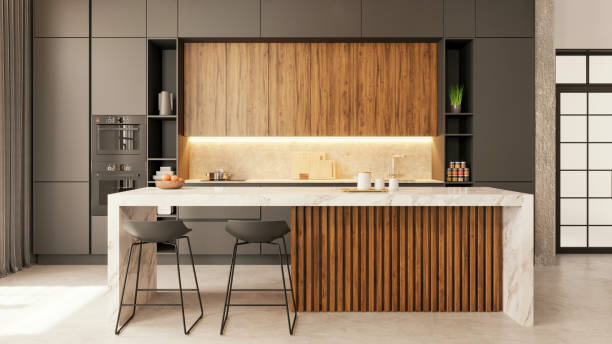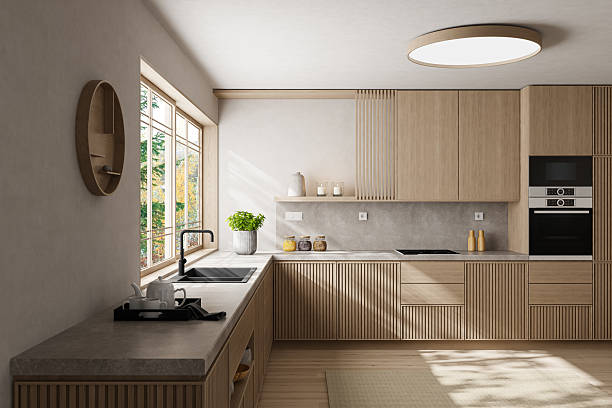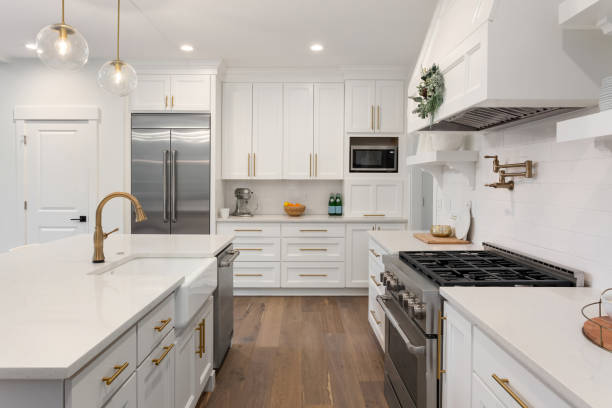
In an era of sleek, minimalist kitchens, the concept of a dedicated food storage area is making a remarkable comeback. A kitchen larder—whether a walk-in room, a tall cabinet, or a clever cupboard—represents a powerful return to organized, efficient, and economical home management. This comprehensive guide explores what a larder in kitchen design is, its evolution, and how you can incorporate this versatile feature into your home.
The Historical Larder: More Than Just a Pantry
Traditionally, a larder was a cool room or cupboard specifically designed for storing perishable foodstuffs like meat, dairy, and vegetables. Its primary function was preservation in the days before universal refrigeration. Historical advice from the 1920s underscores its importance: “The proper preservation of food is one of the greatest aids to economical housekeeping”. These spaces were thoughtfully designed with features like slate or marble slabs for keeping items like milk and fish cool, wire racks for vegetables, and muslin cages for hanging meat.
While the terms are often used interchangeably, there is a regional distinction: “pantry” is the preferred term in the U.S., whereas “larder” and “pantry” see roughly equal use in the U.K.. Both, however, serve the essential purpose of keeping a supply of food for a household in an orderly fashion.
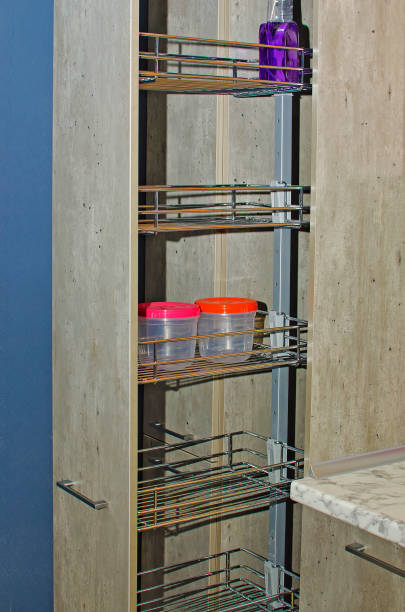
The Modern Kitchen Larder: Forms and Functions
Today, the kitchen larder unit has been reimagined to fit contemporary lifestyles and spaces. It is no longer just a separate room but an integrated storage solution that maximizes efficiency and accessibility.
| Larder Type | Description | Best For |
| Freestanding Cabinet | A tall, often narrow, cabinet that can be added to an existing kitchen layout. | Kitchens needing flexible, retrofittable storage. |
| Integrated Tall Unit | A full-height cabinet built into the kitchen cabinetry run, often with pull-out shelves. | Streamlined, built-in kitchen designs. |
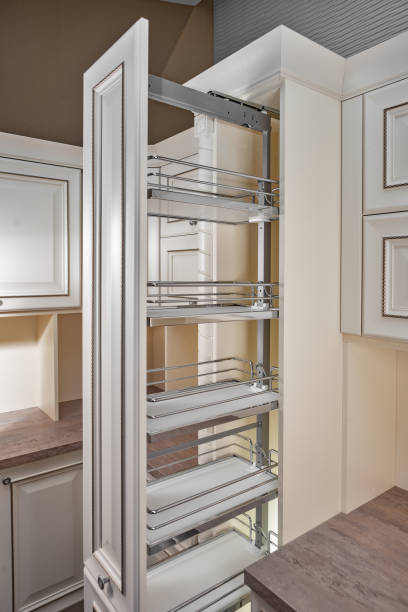
| Pull-Out Larder | A tall, narrow unit on a mechanism that slides out, providing full access to deep shelves. | Maximizing deep or awkward spaces; excellent accessibility. |
| Walk-in Pantry | A small room or deep closet dedicated to food storage, often with shelving on multiple walls. | Larger kitchens and new builds where space permits. |
A key feature of the modern larder kitchen is intelligent internal organization. As highlighted in the design of award-winning units, features like infinitely height-adjustable shelves and smooth pull-out mechanisms are paramount. These systems allow you to customize storage for everything from tall cereal boxes to small spice jars, ensuring no space is wasted. Contemporary kitchen larder pantry designs often incorporate specialized storage for wine, cookbooks, and small appliances, making them true organizational hubs.
Essential Design Considerations for Your Larder
When planning a kitchen cupboard larder, several practical factors will determine its success:
- Location and Space: Ideally, a larder should be located in a cool spot away from direct sunlight and major heat sources like ovens. Even a narrow space can be transformed; units as slim as 300mm wide are manufactured specifically for tight spaces. For larger kitchens, full-height units of 2100mm or 2276mm are common, making full use of vertical space.
- Ventilation: Proper ventilation is crucial to prevent stale air and odors, and to help keep the space cool. This can be achieved through passive vents integrated into the door or cabinet.
- Materials and Finishes: The interior should be easy to clean. Wipeable laminates, wood, or metal shelves are standard. The exterior should seamlessly match your existing kitchen cabinetry for a cohesive look.
- Internal Features: The functionality lies in the details. Look for or plan for:
- Pull-out or slide-out shelves and baskets for easy access to items at the back.
- Door-mounted racks for spices, jars, and small packets.
- Dedicated compartments for root vegetables, ideally in breathable baskets or crates.
- Strong shelving capable of holding heavy items like kitchen appliances or cast-iron cookware.
Organizing Your Larder for Maximum Efficiency
An organized larder saves time, money, and reduces food waste. Follow these principles for a well-ordered space:
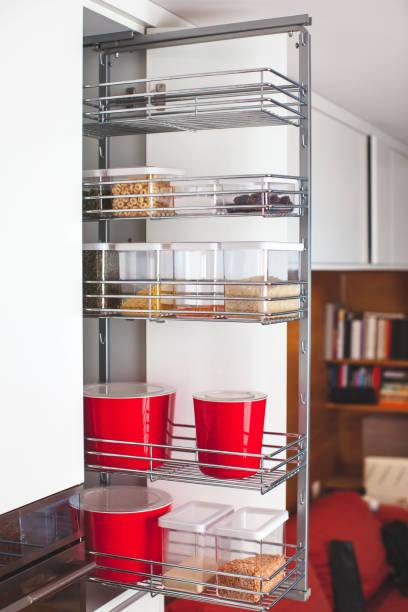
- Zone Your Storage: Group similar items together. Create dedicated zones for baking supplies, canned goods, breakfast items, snacks, and beverages.
- Use Clear Containers: Decanting dry goods like pasta, rice, and flour into uniform, airtight containers reduces clutter, keeps food fresh, and makes it easy to see when you’re running low. Label erything clearly.
- Implement FIFO: Practice the “First In, First Out” rule. Place newer purchases behind older ones to use up food before it expires.
- Prioritize Accessibility: Place everyday items at eye level. Heavier items and those used less frequently can go on higher or lower shelves. Deep drawers or pull-out shelves at the bottom are perfect for bulky pots or bags of potatoes.
Conclusion
From its historical roots as a vital preservation room to its modern incarnation as a highly organized kitchen larder unit, the larder’s core purpose remains unchanged: to bring order and efficiency to the heart of the home. Whether you have space for a walk-in kitchen larder pantry or are integrating a slim kitchen cupboard larder into a compact kitchen, this timeless feature minimizes clutter, streammealines meal preparation, and helps manage household resources wisely.